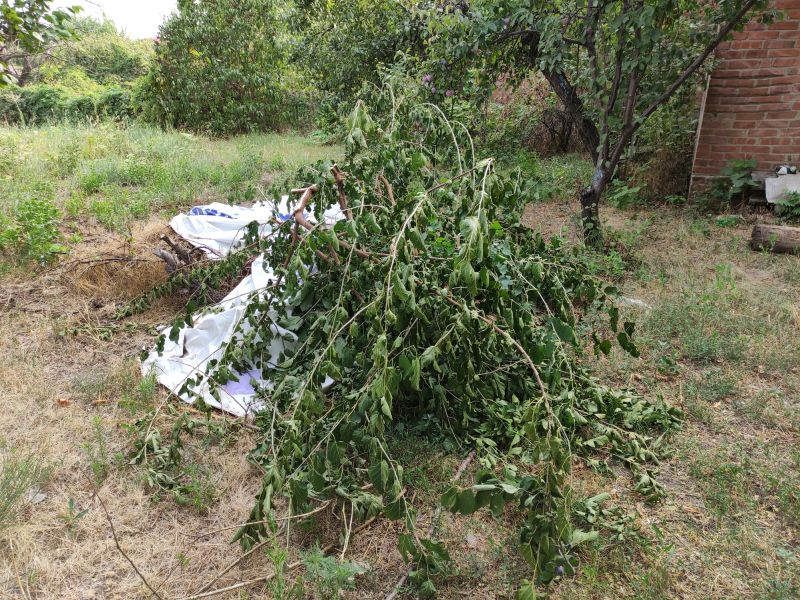
Tree Debris Removal in Honolulu, HI
Tree debris removal services involve the clearing and disposal of fallen branches, leaves, and other organic materials resulting from storms, pruning, or general yard maintenance. These projects typically include removing scattered branches, clearing up leaf piles, and tidying up around trees to keep the property neat and safe. Homeowners often request this service after storms or during seasonal cleanups, seeking to prevent hazards caused by debris accumulation and to maintain a tidy landscape.
Before requesting tree debris removal, property owners should consider the extent of debris needing removal and whether any fallen branches or limbs pose safety concerns or block pathways. It’s helpful to understand the scope of the cleanup, including whether the service includes hauling away debris and if any additional pruning or tree care might be recommended. Clarifying these details ensures the project aligns with the property’s needs and helps achieve a clean, safe outdoor space.
Many property owners in Honolulu, HI look into Tree Debris Removal for repairs, replacements, upgrades, and appearance-related improvements.
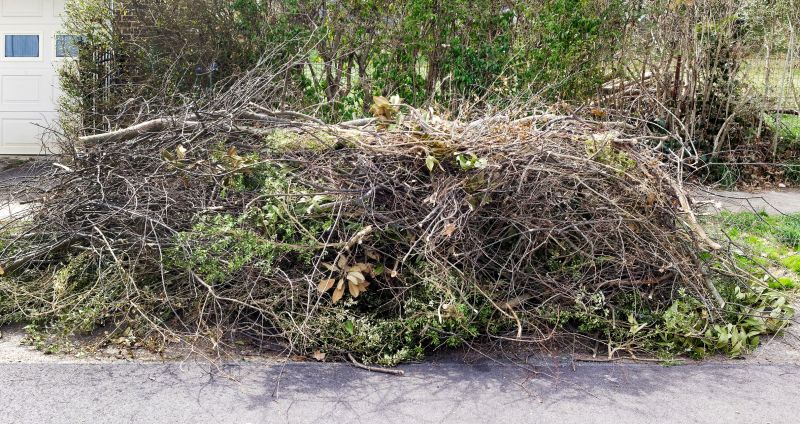
Yard Cleanup And Debris Removal
Removing fallen branches and leaves to keep outdoor spaces tidy and safe.
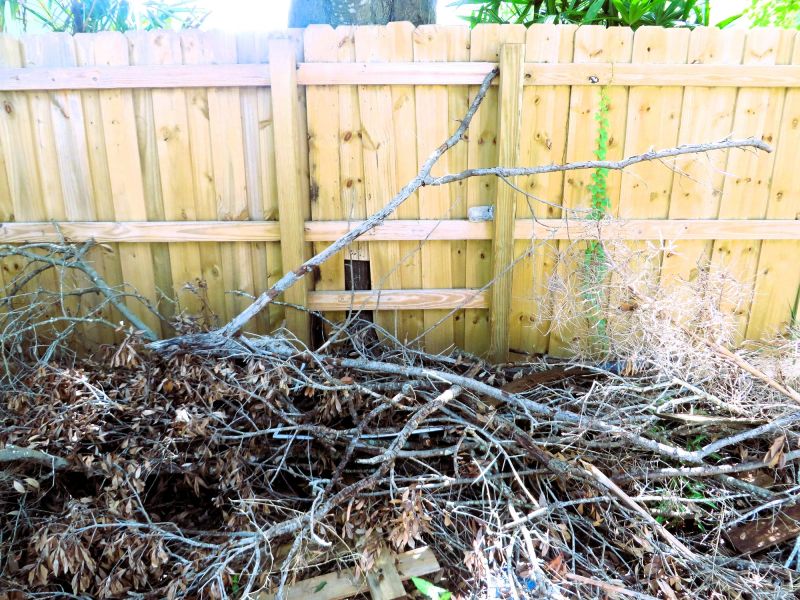
Storm Damage Debris Clearing
Clearing tree limbs and debris after storms to restore property safety and appearance.
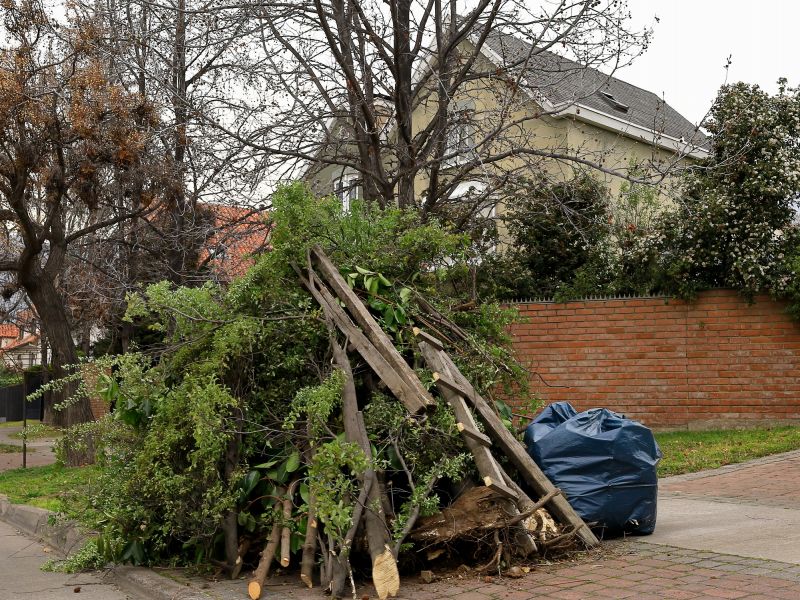
Tree Limb And Branch Disposal
Safely removing overhanging branches and broken limbs that pose hazards to property and people.
Tree Debris Removal in Honolulu, HI

Tree debris removal services involve the clearing and disposal of fallen branches, leaves, and other organic materials resulting from storms, pruning, or general yard maintenance. These projects typically include removing scattered branches, clearing up leaf piles, and tidying up around trees to keep the property neat and safe. Homeowners often request this service after storms or during seasonal cleanups, seeking to prevent hazards caused by debris accumulation and to maintain a tidy landscape.
Before requesting tree debris removal, property owners should consider the extent of debris needing removal and whether any fallen branches or limbs pose safety concerns or block pathways. It’s helpful to understand the scope of the cleanup, including whether the service includes hauling away debris and if any additional pruning or tree care might be recommended. Clarifying these details ensures the project aligns with the property’s needs and helps achieve a clean, safe outdoor space.
Many property owners in Honolulu, HI look into Tree Debris Removal for repairs, replacements, upgrades, and appearance-related improvements.
Common Tree Debris Removal Jobs
Tree Debris Removal Services - clearing fallen branches and leaves to keep properties tidy.
Storm cleanup - removing tree debris after severe weather events to prevent damage.
Yard cleanup - collecting and disposing of dead or overgrown branches for a neat appearance.
Property maintenance - maintaining landscape health by removing excess tree debris regularly.
Emergency debris removal - quickly clearing dangerous or obstructive tree debris from driveways and walkways.
Seasonal cleanup - preparing yards for different seasons by removing accumulated tree debris.
Tree Debris Removal Questions
What types of tree debris removal are available? Services include clearing fallen branches, trimming overgrown limbs, and removing storm-damaged trees to maintain property safety and appearance.
Is tree debris removal suitable for storm-damaged trees? Yes, it helps safely remove broken or fallen branches and trees resulting from storms or high winds.
What should property owners consider before removing tree debris? It's important to assess the extent of debris and determine if professional removal is needed to prevent damage or injury.
How does tree debris removal benefit a property? It improves safety, enhances landscape aesthetics, and prevents potential damage to structures or other plants.
Request Tree Debris Removal in Honolulu, HI
Use the quote form on this page to share the basics of your project and request more information for the type of work you need.