Poison Ivy Removal in Burlington County, NJ
Poison ivy removal services are designed to safely eliminate this common and potentially irritating plant from residential properties. These services typically cover a variety of projects, including clearing overgrown areas, trimming vines along fences or trees, and removing poison ivy from lawns, gardens, or wooded spaces. Property owners often seek these services to prevent skin reactions, protect children and pets, and maintain a tidy outdoor environment. Understanding the extent of the infestation and the location of poison ivy on the property can help determine the most effective removal approach.
Before requesting poison ivy removal, homeowners should consider the size of the affected area, the accessibility of the plants, and whether the plants are growing near valuable landscaping or structures. It’s also helpful to identify if the plants are in hard-to-reach spots or intertwined with other vegetation, which may influence the scope of work. Proper identification of poison ivy is important, as it can sometimes be mistaken for other harmless plants. Clarifying these details can ensure that the removal process is thorough and safe, helping to prevent future growth and reduce the risk of skin irritation.
Many property owners in Burlington County, NJ look into Poison Ivy Removal for repairs, replacements, upgrades, and appearance-related improvements.
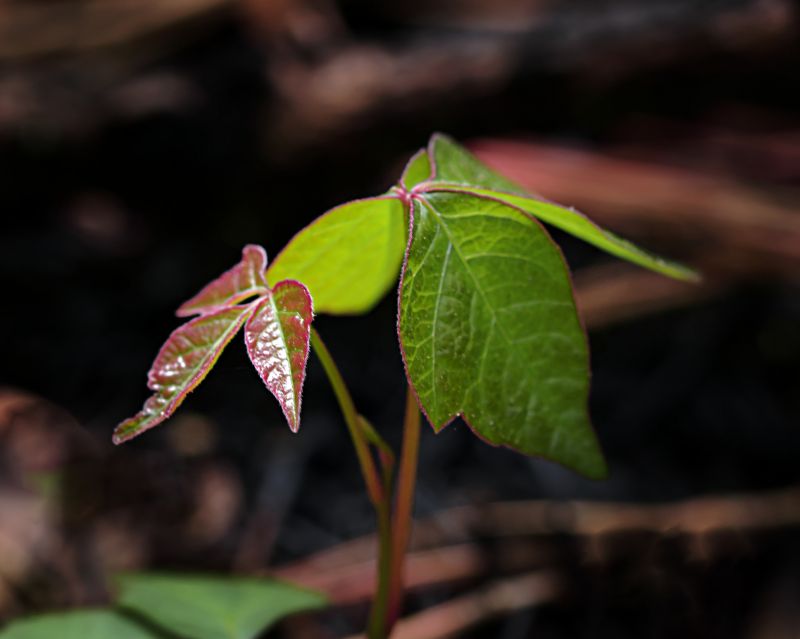
Understanding Poison Ivy
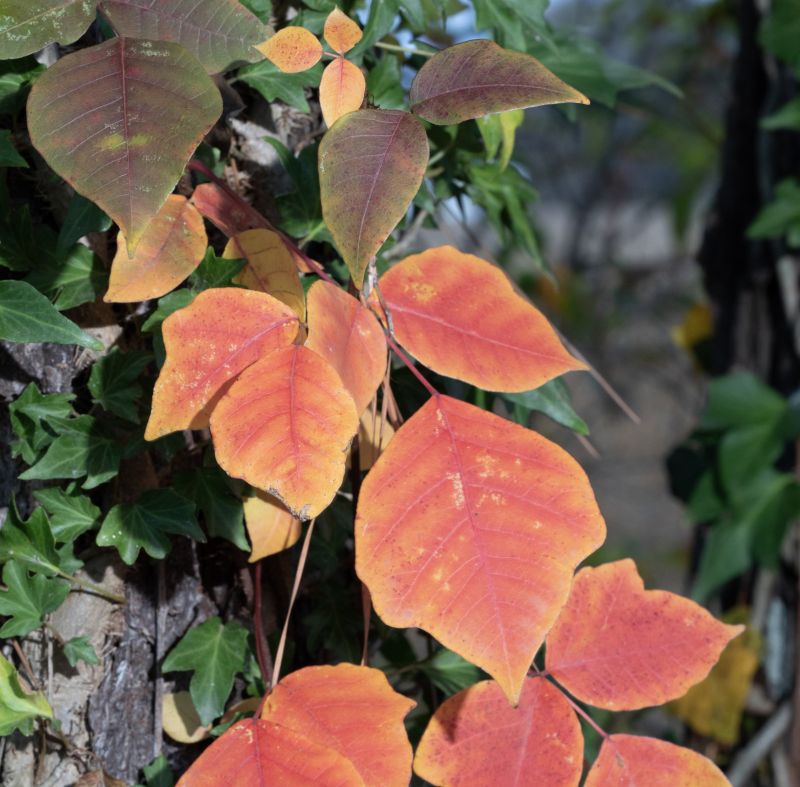
Poison ivy is a common plant in burlington county that can cause skin irritation and allergic reactions.
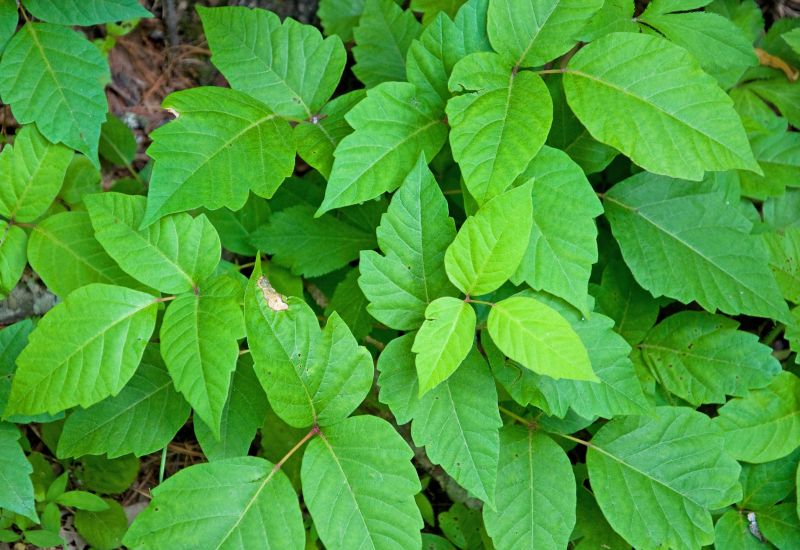
Signs Of Poison Ivy Infestation
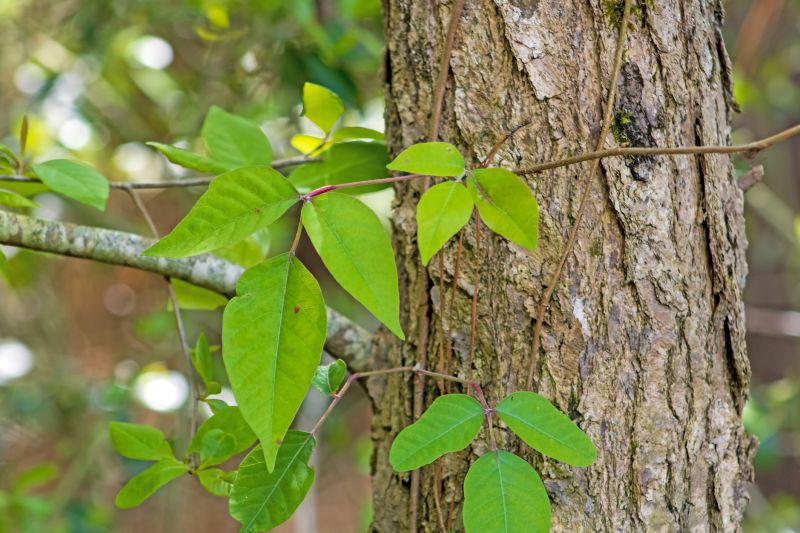
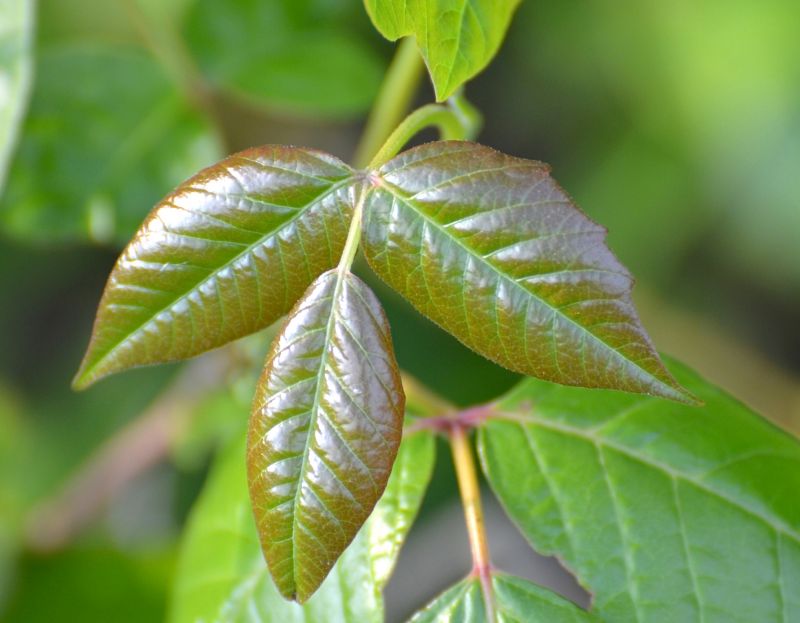
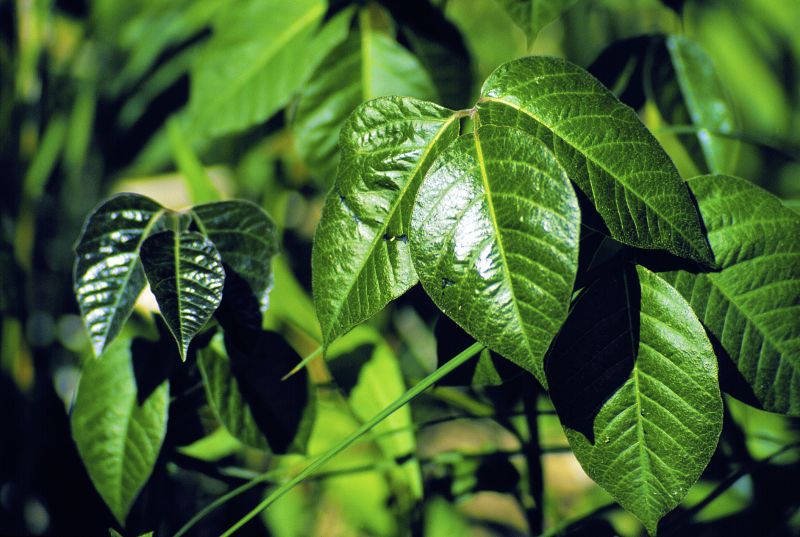
Look for clusters of three-leaf plants with glossy, green foliage growing on trees, fences, or ground cover.
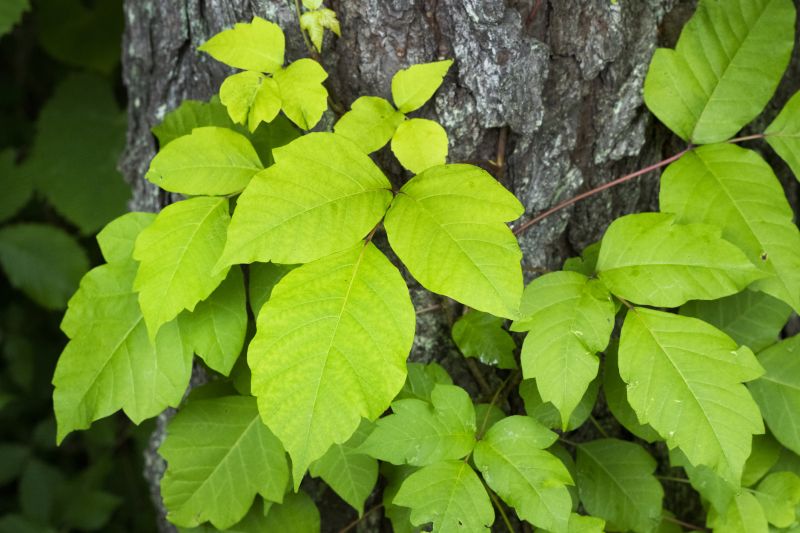
Removal And Prevention Tips
Professional removal helps eliminate poison ivy safely and reduces the risk of future growth on residential or commercial properties.
Poison Ivy Removal in Burlington County, NJ
Poison ivy removal services are designed to safely eliminate this common and potentially irritating plant from residential properties. These services typically cover a variety of projects, including clearing overgrown areas, trimming vines along fences or trees, and removing poison ivy from lawns, gardens, or wooded spaces. Property owners often seek these services to prevent skin reactions, protect children and pets, and maintain a tidy outdoor environment. Understanding the extent of the infestation and the location of poison ivy on the property can help determine the most effective removal approach.
Before requesting poison ivy removal, homeowners should consider the size of the affected area, the accessibility of the plants, and whether the plants are growing near valuable landscaping or structures. It’s also helpful to identify if the plants are in hard-to-reach spots or intertwined with other vegetation, which may influence the scope of work. Proper identification of poison ivy is important, as it can sometimes be mistaken for other harmless plants. Clarifying these details can ensure that the removal process is thorough and safe, helping to prevent future growth and reduce the risk of skin irritation.
Many property owners in Burlington County, NJ look into Poison Ivy Removal for repairs, replacements, upgrades, and appearance-related improvements.
Common Poison Ivy Removal Jobs
Poison Ivy Removal - clearing invasive plants from yards and landscapes to prevent skin irritation.
Yard Clearing - removing poison ivy from lawns, gardens, and wooded areas for safety.
Property Maintenance - regular removal of poison ivy to keep outdoor spaces safe and accessible.
Landscape Cleanup - eliminating poison ivy from trees, fences, and shrubbery around the property.
Vegetation Control - targeting poison ivy growth in hard-to-reach areas to protect outdoor environments.
Invasive Plant Removal - safely extracting poison ivy to prevent spread and maintain property appearance.
Poison Ivy Removal Questions
What is poison ivy removal? Poison ivy removal involves safely eliminating the plant from residential or commercial properties to prevent skin irritation and other health issues.
When should poison ivy be removed? Removal is recommended when poison ivy is growing in areas frequented by people or pets, or when it begins to spread extensively across the landscape.
What methods are used for poison ivy removal? Techniques include manual removal, herbicide application, and root barrier installation to prevent regrowth and ensure safe elimination.
Is professional poison ivy removal necessary? Professional removal ensures safe and effective elimination, especially in hard-to-reach areas or when dealing with large infestations.
Request Poison Ivy Removal in Burlington County, NJ
Use the quote form on this page to share the basics of your project and request more information for the type of work you need.